The Power of Late Diagnoses and Taking Action
At Heads Up Therapies, neurodiversity isn’t just a principle—it’s a lived experience for many of our team members. Our staff include individuals diagnosed with ADHD, ASD, AuDHD, dyslexia, and dyspraxia. Interestingly, for many, these diagnoses came later in life, often well into adulthood. This phenomenon is increasingly common and carries profound implications for workplaces and the individuals within them.
What Does a Late Diagnosis Mean?
A late diagnosis can bring clarity and self-understanding. Many neurodivergent adults spend years navigating the world without knowing why they experience challenges differently from their peers. Simple tasks like organising work, managing time, or processing information may feel harder, yet the person may have developed unique strategies to cope.
Receiving a diagnosis later in life can be both liberating and challenging. It explains patterns that previously caused frustration, fosters self-compassion, and opens the door to seeking appropriate accommodations and support. At the same time, late diagnosis can raise questions about career experiences, personal identity, and self-esteem.
Why Action in the Workplace Matters
Awareness of neurodiversity is only the first step. At Heads Up Therapies, we believe action is what makes the difference—turning understanding into tangible changes that support every individual’s needs. For neurodivergent staff, actionable workplace support can include:
Flexible and agile working: allowing people to work in ways that suit their energy, focus, and cognitive patterns.
Adapted meetings: structuring discussions and communications to suit a variety of processing styles.
Tools and resources: providing fidget aids, ADHD-friendly chairs, or assistive technologies.
Open dialogue: encouraging honest conversations about individual needs without fear of stigma.
Recognising strengths: celebrating the unique perspectives and problem-solving abilities each brain brings.
By putting these supports into action, workplaces become more inclusive, compassionate, and effective. When neurodivergent employees feel seen, supported, and empowered, it enhances collaboration, innovation, and overall wellbeing.
Building Empathy and Understanding
Supporting staff with late diagnoses also enriches the care we provide to our clients. Experiencing neurodivergence ourselves allows our team to better empathise with individuals who may have diverse needs, processing styles, or sensory sensitivities. It reinforces the importance of personalised, strengths-based approaches for everyone we work with.
Moving From Awareness to Action
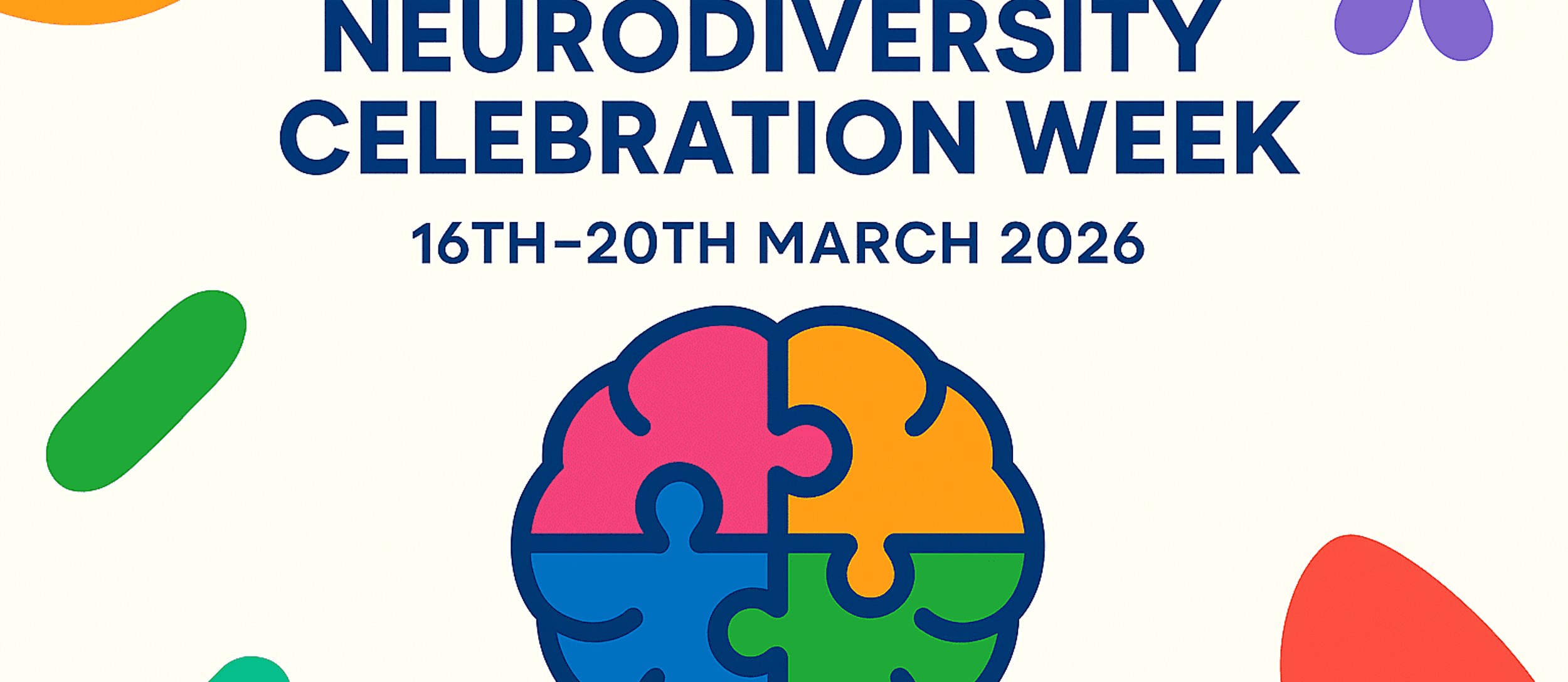
This year’s Neurodiversity Celebration Week theme, “From Awareness to Action,” reminds us that real change happens when understanding translates into supportive practices. At Heads Up Therapies, we are committed to:
Training our team in neurodiversity in the workplace and neurodivergence coaching
Continuing to adapt and improve our environment and processes
Celebrating and leveraging the unique strengths of each staff member
Using our lived experiences to enhance empathy and client care
Every workplace benefits when individuals are empowered to bring their full, authentic selves to work. By embracing neurodiversity—and acting on it—we create a culture that supports everyone to thrive.